Charming Visuals: The Cute Baby Doodle Illustration Collection
More Than Just a Drawing: Understanding the Doodle's Appeal
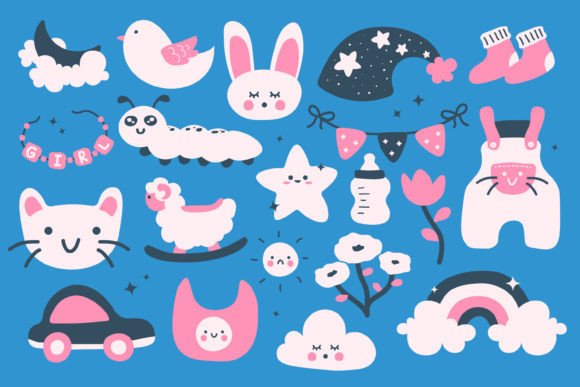
When we talk about design assets that carry immediate emotional weight, few can compete with a well-crafted Cute Baby Doodle Illustration. It’s not just a simple sketch; it’s a visual language that communicates warmth, innocence, and approachability. The style typically features soft, rounded lines, gentle curves, and a playful simplicity that avoids complex detail. The personality is inherently friendly and inviting, making it an instant mood-lifter for any project it graces. This isn't about photorealism; it's about capturing a feeling—a sense of gentle joy and whimsy that resonates across ages and contexts. The overall appeal lies in its versatility and its power to soften a message, making it feel more human and less corporate. In a world of sharp digital edges, this doodle offers a touch of handcrafted comfort.
Where This Illustration Truly Shines
The real magic of a Cute Baby Doodle Illustration is found in its chameleon-like ability to adapt. It’s a premium design asset that doesn’t just sit in one category. For web design, it can transform a sterile landing page into an engaging experience, guiding the user's eye with playful elements rather than aggressive arrows. As part of a brand identity, especially for businesses in childcare, education, family-focused services, or even pet care, it builds immediate trust and recognition. The doodle style feels authentic, which is gold for social media graphics where relatability drives engagement.
Think beyond the screen. This illustration style is a powerhouse for packaging design, adding a charming touch to products aimed at children or parents. In editorial design, it can break up dense text in books, magazines, or blogs, providing visual relief and reinforcing themes. For entrepreneurs and small business owners, it’s a secret weapon for creating cohesive marketing materials—from business cards and invoices to email headers and promotional banners. The consistency of using the same doodle character or element across your touchpoints builds a subtle but strong professional brand identity. Even for personal projects like custom invitations, scrapbooking, or crafting, it injects a professional yet personal flair that’s hard to achieve with generic clipart.
Practical Guidance for Integration and Use
So, you’ve decided this style fits your project. How do you implement it effectively? First, consider the context. While the Cute Baby Doodle Illustration is versatile, it’s not a one-size-fits-all solution. It excels in creating a welcoming atmosphere but might not convey the gravitas needed for a law firm’s annual report. Evaluate your project’s core message. Does it need to feel approachable, creative, and joyful? If yes, you’re on the right track.
Next, think about font pairing. This is where many get stuck. The doodle’s playful nature pairs beautifully with certain typefaces. A clean, rounded sans serif font can maintain readability while complementing the illustration’s simplicity. For a more whimsical feel, a casual handwritten font or script font can work, but be cautious—ensure the text remains legible, especially at smaller sizes. A sturdy serif font can create an interesting contrast, grounding the playful doodle with a touch of tradition. The key is balance; let the illustration be the star and choose typography that supports, not competes.
Now, let’s talk about the files you’re working with. The collection includes AI, EPS, PNG, and SVG files, which is a professional’s toolkit. The AI and EPS files are your best friends for full control. They allow you to edit colors, scale without loss of quality, and modify individual elements. This is crucial for integrating the doodle seamlessly into your existing brand identity color palette. The PNG files are ready for quick use in digital applications like social media posts or presentations, especially if they have a transparent background. The SVG files are perfect for web use, as they are lightweight and scale perfectly on any screen resolution.
When testing, always check readability. Place your text and illustration together and view it at the intended size. Does the illustration overshadow the message? Does it help guide the eye to the key information? For infographics or icons, ensure the doodle style is simplified enough to be recognizable at very small scales. For banners or maps, consider using the illustration as a subtle background element or a focal point, depending on the hierarchy you need to establish.
Finally, review the licensing. A commercial font or illustration license is a critical part of using design assets professionally. Understand what the license permits—can you use it for client work? Can you use it on products for sale? This ensures you’re building your projects on a solid, legal foundation. The included 300 DPI resolution and editable vector formats are standard for professional work, giving you the quality needed for both print and digital outputs.
In essence, the Cute Baby Doodle Illustration